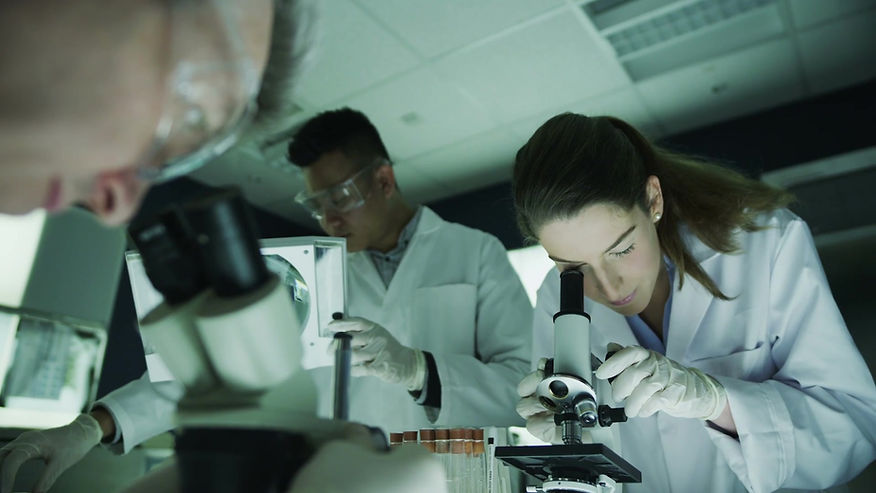
The Research Behind It
When we're discussing this, we are talking exclusively about the National Institutes of Health and more specifically the PubMed site for soft peer review. When we began our initial research we came upon the National Institutes of Health, and its data base. This is a federally funded site so the keyword searches and how it operates takes practice, but the amount of information and the sources that they come from are unbelievable. These are all research papers posted by research scientist so their colleagues can read them before they are actually published. Personally, I had no idea linoleic acid is this instrumental to skin function when we started this; I learned that. I also learned that the skin is hard to beat. It is good at keeping things out of the body, even in a depleted state. So, introducing change from this direction is difficult, but not impossible. We decided early on, that we were going to post links to some of the papers we encountered on our own site. These links will take you directly to the NIH database without losing your place on our site. So don't worry about closing that link when you are done. The ones we have chosen frankly have very easy breezy terms in regards to publishing them elsewhere, some of the others do not. They are not on the list, but they are on the site. We've added this feature so you can see this for yourself if you like. I would encourage anyone who has an interest in this to learn to navigate this database. It is worth it. Some of this research is legally available to read only because it was partially funded with taxpayer money. Were it not for that fact, no one would be allowed to read some of this material ever. Lots of these papers are funded in large part by cosmetics firms and bio research firms. The taxpayer part happens when they hire university scientists to conduct their private research. The universities receive tax funding, and that means the results are published on the NIH site. That puts us average taxpaying citizens at a unique crossroads. We can read things that corporate America paid a ton of money to find out, for basically free. So again, if you're interested in this subject, it's worth it.